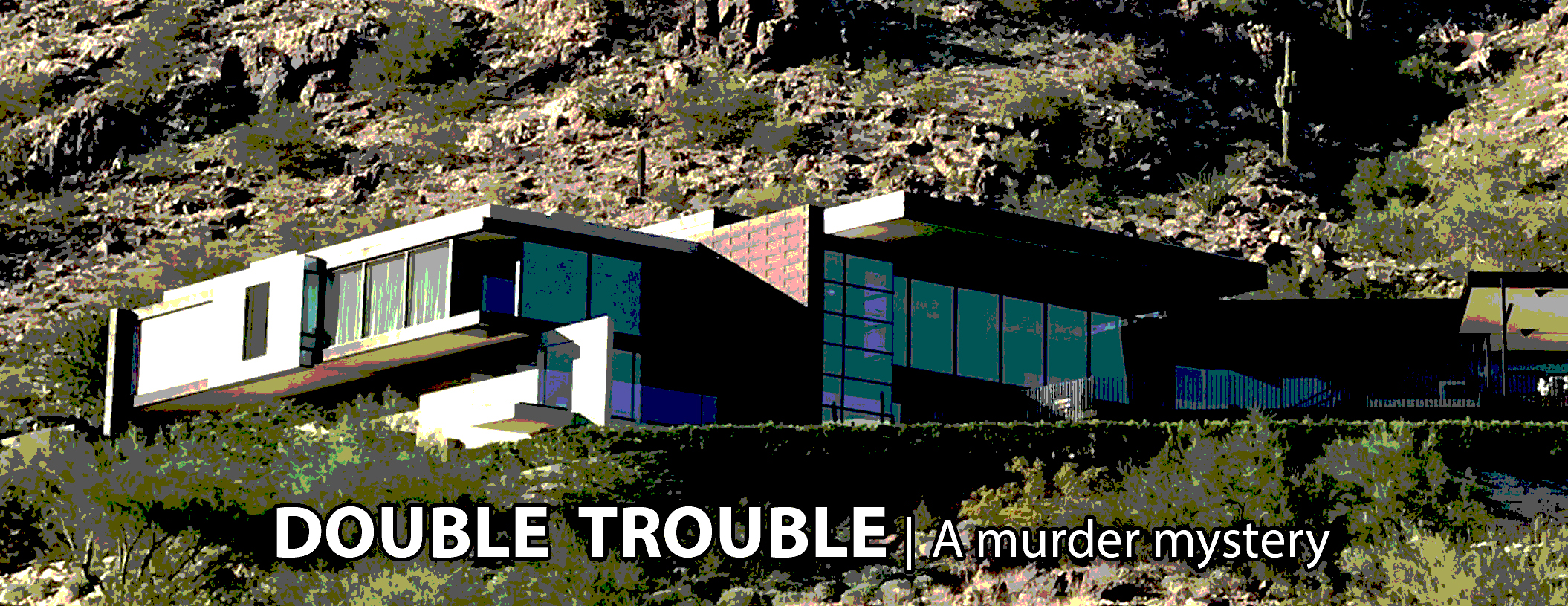
As the early rays of the sun struggled to break through the fog over Los Angeles, Dr. Arun Mehta stepped out of his four–bedroom house in Rancho Palos Verdes for the last time. The air smelled faintly of the ocean, a salty freshness that once calmed him after long shifts at the hospital. But today, the breeze only reminded him of what he was leaving behind; and what he was eager to escape.
Five years at one of California’s most elite hospitals had hardened him. The prestige was intoxicating at first; famous patients, cutting-edge surgeries, colleagues who spoke of medical advances as if they were poetry. But the shine dulled quickly under the grind: endless twelve-hour shifts, relentless bureaucracy, and the maddening commute back to Palos Verde. The drive home had become a ritual of exhaustion: an hour of red taillights and radio static before the hollow comfort of his bed.
His wife, Asha, had been the first to notice his decline. She quit her teaching job to care for their three children, hoping to lighten his burden. Yet even with her support, Dr Mehta felt like he was drowning. Though he got 3 promising offers from hospitals in Georgia and Florida, the Fort Lauderdale hospital suited better for him and made arrangements for the move. Florida, with its warm climate and slower rhythms, promised a better deal.
As he closed the door for the last time, Dr Mehta allowed himself a breath of relief. Florida awaited, with a dream job at Fort Lauderdale’s most respected hospital. The house looked strangely vacant already, though it wasn’t. An elderly couple, the Whitmores, had leased it. They were polite enough during the handover, all smiles and small talk, the sort of people who spoke softly and held hands as if still newly married. They promised they would treat the place as their own. Dr Mehta had wanted a sale, not a lease, but buyers were scarce. Leasing had seemed like the next best thing.
As he slid into the driver’s seat, he glanced back at the house as if bidding goodbye to it. The windows reflected the morning sun, making the house look empty. Something about that look unsettled him. It was as if the house itself wasn’t ready to let him go.
The job in Florida was a dream come true for
Dr. Mehta. He engaged a realtor with the task of selling his California property but there was no reasonable offer. The couple that leased the place stayed beyond the lease period and started defaulting on payments. Evicting them was not easy.
Then the unimaginable happened. The couple were found dead in the house. There was no evidence of foul play. The autopsy revealed gas poisoning from a leaking valve in the kitchen. Was it suicide? Or was it murder?
But Detective Aria Mendoza of the Rancho Palos Verdes Police Department was not satisfied with both the assumptions and wanted to find the real culprit and the motive.
The kitchen valve, she noticed, hadn’t simply loosened with age. It bore marks, almost as if someone had tampered with it. The Whitmores’ bank accounts showed odd withdrawals of large sums. A neighbor recalled seeing a young man visiting them frequently in the weeks before their deaths.
“Maybe it was a suicide pact,” the coroner had suggested. But Aria wasn’t buying it. The couple had groceries stocked, plans written on the calendar, even a trip to visit their daughter in Canada scheduled the following month. They hadn’t prepared for death—they had plans for life well lived.
The trail led Detective Mendoza into a web of quiet deceit. The Whitmores’ son-in-law, burdened by gambling debts, had been pressuring them for money. He had a key to the house—one he wasn’t supposed to have. He knew about the old gas fittings, knew the couple often left the kitchen window open at night.
But then, there was another twist. A closer look at the lease agreement revealed the Whitmores had been hiding something: the house wasn’t just a retirement haven for them. They had sublet one room, illegally, to a drifter named Kyle, who had vanished just days before their deaths. His fingerprints were found on the valve. His phone records showed late-night calls to a pawn shop where he had sold items matching those missing from the Whitmores’ belongings.
So who was the culprit—the desperate son-in-law, or the elusive boarder?
Detective Mendoza pieced the puzzle slowly, weighing motives against opportunity. And in the end, she realized both men had no reason to want the Whitmores gone, but there was someone who had the reason and means to make it happen.
When Dr. Mehta left Los Angeles for Fort Lauderdale, he believed he had shut the door on stress. His medical career flourished, his wife was happier with the children, and Florida seemed like a dream. But in Rancho Palos Verdes, his house refused to let him go.
The Whitmores had long overstayed their lease. Rent checks stopped. Eviction notices were ignored. The realtor advised patience, but every month Dr. Mehta saw money slipping away. The house was costing more than it was worth.
He was a kind man at heart, but desperation gnawed at him. Over a late-night call with an old acquaintance, a handyman named Victor who had once done plumbing work on the house, Dr. Mehta vented his frustration.
“I just want them out,” he said. “Do whatever you can to make them leave. Fix the valve, cut the heat, anything. Scare them if you have to.”
He hadn’t meant it to go further than that. But weeks later came the call: the Whitmores were dead. Gas poisoning. A leak in the kitchen valve.
Dr. Mehta felt his stomach drop. Had Victor misunderstood? Or had he done exactly what was asked; only too well?
Detective Aria Mendoza entered the case with intent to find the culprit. She found the tampered valve, the Whitmores’ missing valuables, and Victor’s name on repair records. But the real twist came when she discovered payments from Dr. Mehta’s account to Victor, disguised as “maintenance fees.”
When questioned, Victor cracked.
“Dr. Mehta wanted them gone. He didn’t care how. I loosened the valve, but I swear, I thought they’d smell it, leave the place. I didn’t mean for them to die.”
Now the weight of responsibility shifted to Dr Mehta. Was he guilty of murder? Did his words amount to an order or a frustrated plea misinterpreted by someone?
Detective Mendoza knew she stood on thin legal ground. The law demanded intent for murder, and proving that in a courtroom against a respected doctor would be difficult. But morally, the case was clear: Dr. Mehta had wanted a problem solved, and two people had to die for it.
The Rancho Palos Verdes house was finally empty—but at a cost too cumbersome for Dr. Mehta to bear. And in Florida, under the warm sun, he could not escape the dark shadows of the home he once loved.


 The Brew
Leave a comment